
Large-format tile can completely transform a commercial or hospitality space. With fewer grout lines, expansive visual movement, and a clean, elevated finish, larger formats have become increasingly popular for hotel lobbies, restaurants, multifamily developments, retail spaces, and other high-traffic environments.
But specifying large-format tile involves more than simply choosing a material and size.
From substrate preparation to installation logistics, decisions made early in the specification process can have a major impact on the finished project. Avoiding a few common mistakes can help reduce delays, unexpected costs, and installation issues later on.
Here are five things architects, designers, contractors, and developers should keep in mind when specifying large-format tile.
1. Choosing a Tile Without Considering the Installation Conditions
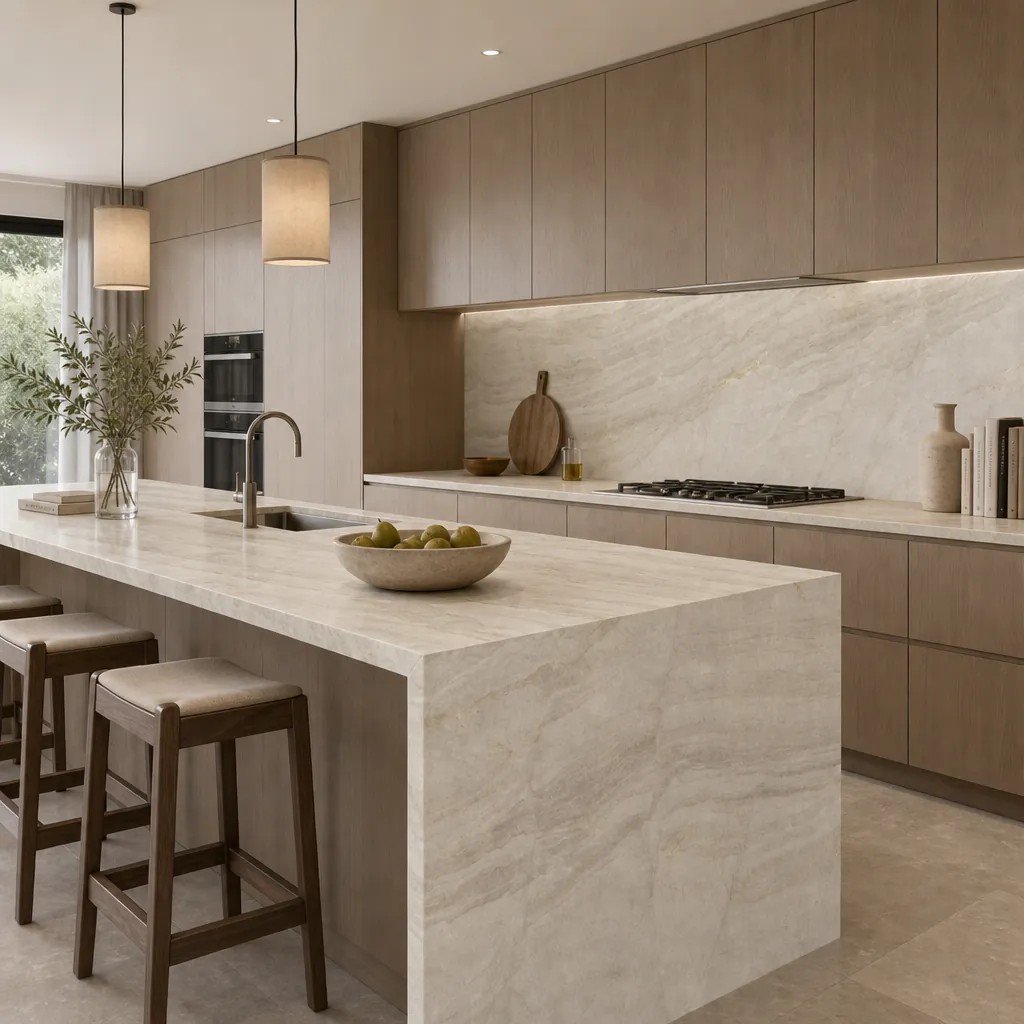
One of the biggest mistakes is selecting a material based entirely on appearance without considering where and how it will be installed.
A tile that works beautifully on an interior feature wall may have completely different requirements when used on a heavily trafficked commercial floor. Before specifying a material, consider foot traffic, moisture exposure, slip-resistance requirements, interior versus exterior use, and the substrate beneath the tile.
For hospitality and commercial projects in particular, the material needs to balance design with long-term performance. Working with an experienced stone and tile supplier early in the selection process can help ensure the material, finish, and format are appropriate for the intended application.

2. Waiting Too Long to Confirm Quantities and Material Availability
Commercial projects often require significant quantities of material, and specialty or large-format products can require additional production, handling, or lead time.
Waiting until the final stages of a project to confirm quantities can create complications, especially with natural stone and materials where availability, shade, or lot variation may be a factor.
It’s also important to account for cuts, waste, attic stock, pattern layouts, and future replacement needs rather than ordering only the exact square footage shown on the plans.
Confirming quantities and availability early with your supplier can make a significant difference in keeping a project on schedule.
3. Not Considering the Number of Faces or Graphics
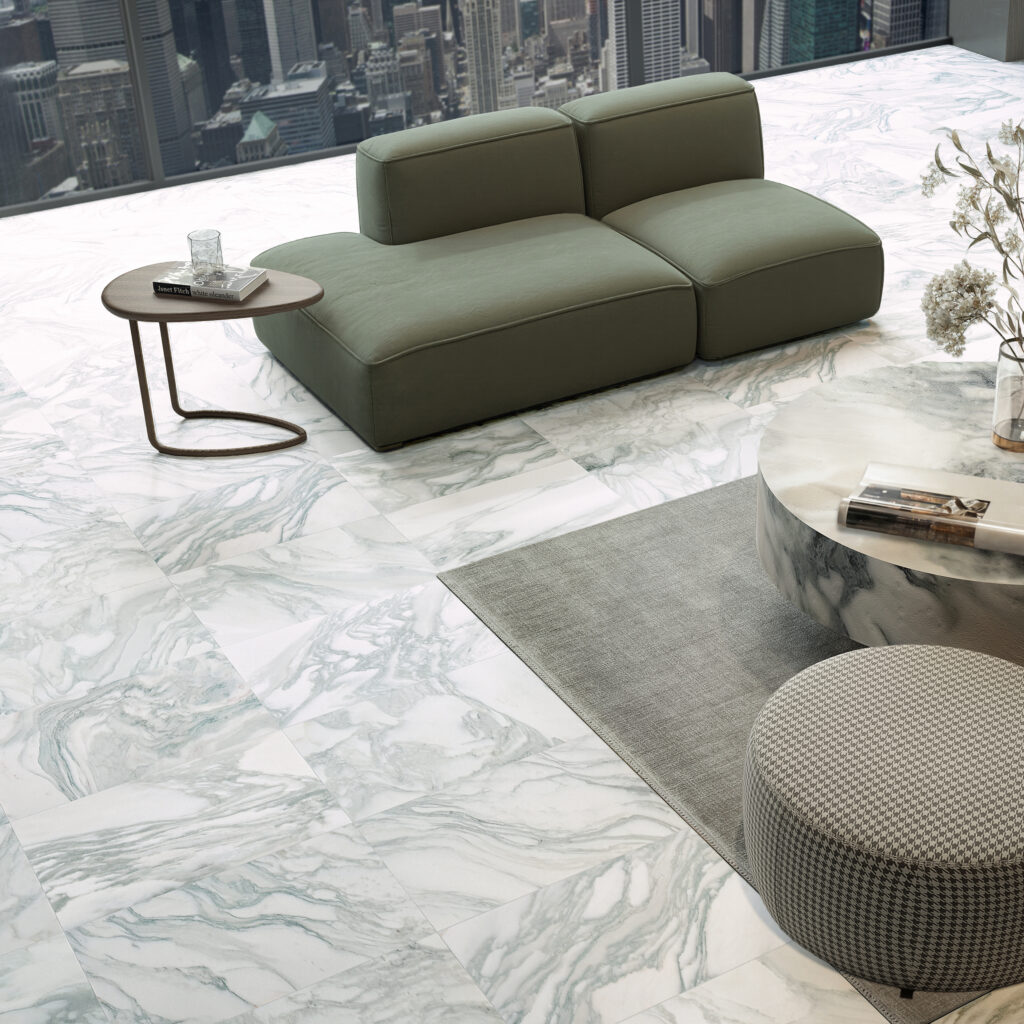
With porcelain and other printed materials, the number of available faces matters more than you might think. Each face is a different graphic variation of the stone or pattern.
If a product has too few faces, the same veining and markings can repeat across the installation, making a large commercial space look noticeably artificial. A good number of graphics creates more natural variation and helps prevent obvious repetition.
For larger installations especially, ask your supplier how many unique faces or graphics are available before specifying the material.
4. Overlooking Tile Flatness and the Substrate
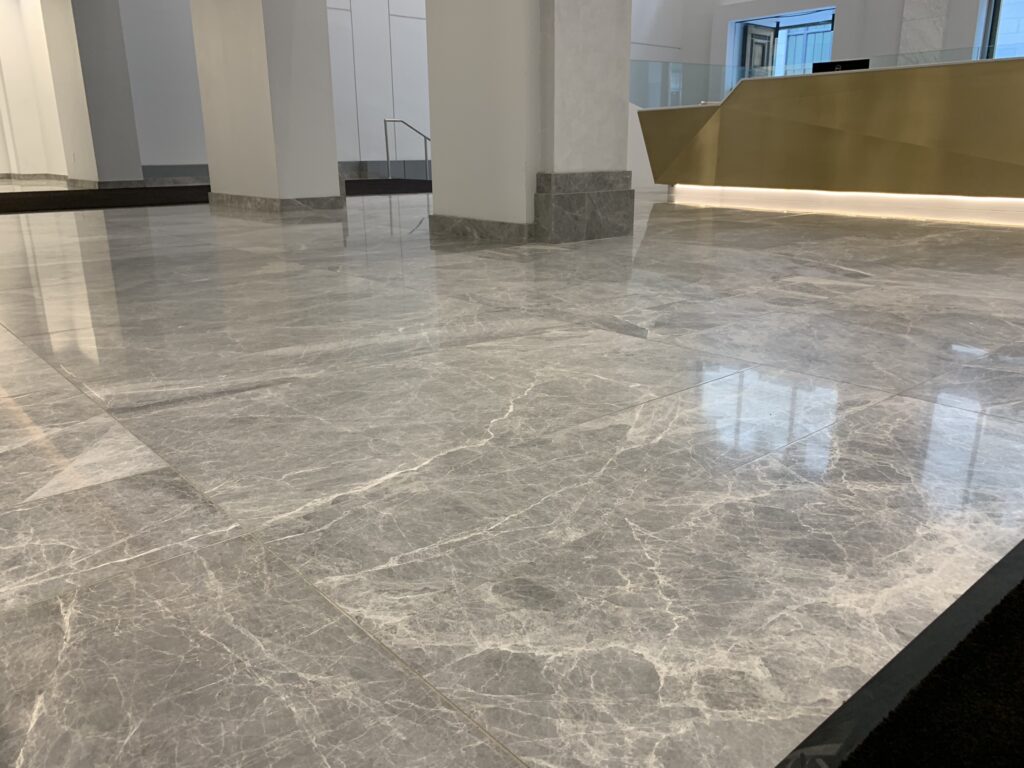
A beautiful tile can still result in a poor installation if the material isn’t sufficiently flat or the substrate isn’t properly prepared.
This becomes particularly important with large-format tile, where even small inconsistencies can contribute to lippage, uneven grout joints, or alignment issues. The surface underneath the tile also needs to meet the requirements of the material and installation system being used.
Before installation begins, make sure the tile itself, substrate conditions, layout, and installation requirements have all been evaluated. Addressing these details beforehand is much easier than correcting them after material has been installed.
5. Not Using a Qualified Supplier and Installer
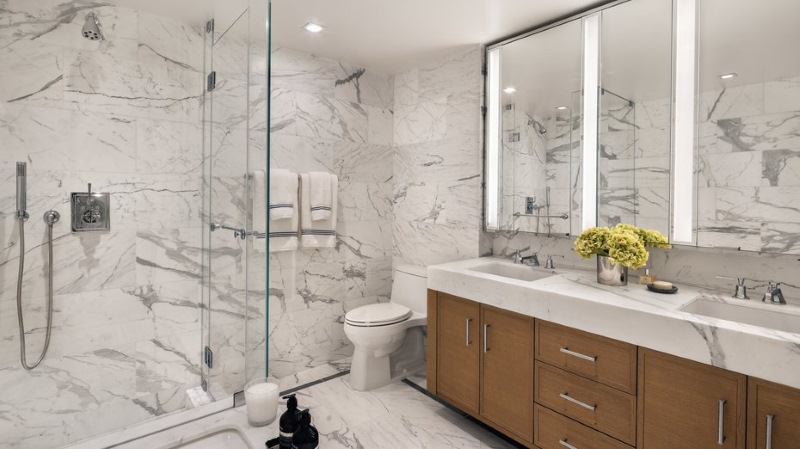
The material itself is only one part of a successful commercial tile installation. Who you source it from and who installs it matter just as much.
A knowledgeable supplier can help you evaluate availability, appropriate applications, sizing, finishes, graphics, quantities, and potential installation considerations before material reaches the jobsite. An experienced, qualified installer will understand proper substrate preparation, layout, handling, setting materials, grout joints, and the requirements of large-format or specialty products.
For commercial and hospitality projects, bringing the supplier, contractor, and installer into the conversation early can help identify potential problems before they become expensive jobsite issues.
The big idea tying all five together: specifying tile successfully isn’t just about choosing what looks best. The material, quantity, graphic variation, substrate, installation conditions, supplier, and installer all need to work together for the finished project to perform as intended.

Successful Projects Start Long Before Installation
Large-format tile creates incredible opportunities for commercial and hospitality design, but successful installations depend on more than the material itself.
Proper specification, realistic lead times, substrate preparation, installation planning, and an understanding of the stone all contribute to the final result.
At Venture Stone & Tile, we work closely with architects, designers, developers, contractors, and installers throughout the specification process. From selecting the right material and format to coordinating quantities and project requirements, our goal is to help make the stone and tile portion of a project as seamless as possible.
Whether you’re specifying material for a hotel, restaurant, multifamily development, retail environment, or large-scale commercial project, involving your stone supplier early can help avoid costly surprises later.
Have an upcoming project? Contact Venture Stone & Tile to discuss material selections, large-format capabilities, availability, and project requirements.